Tomorrow’s IEEPA Tariffs: What to Watch For

Sasha Bozic
2 mins read
Sasha Bozic
2 mins read
Table of Contents
Subscribe to
Caspian Currents
Share
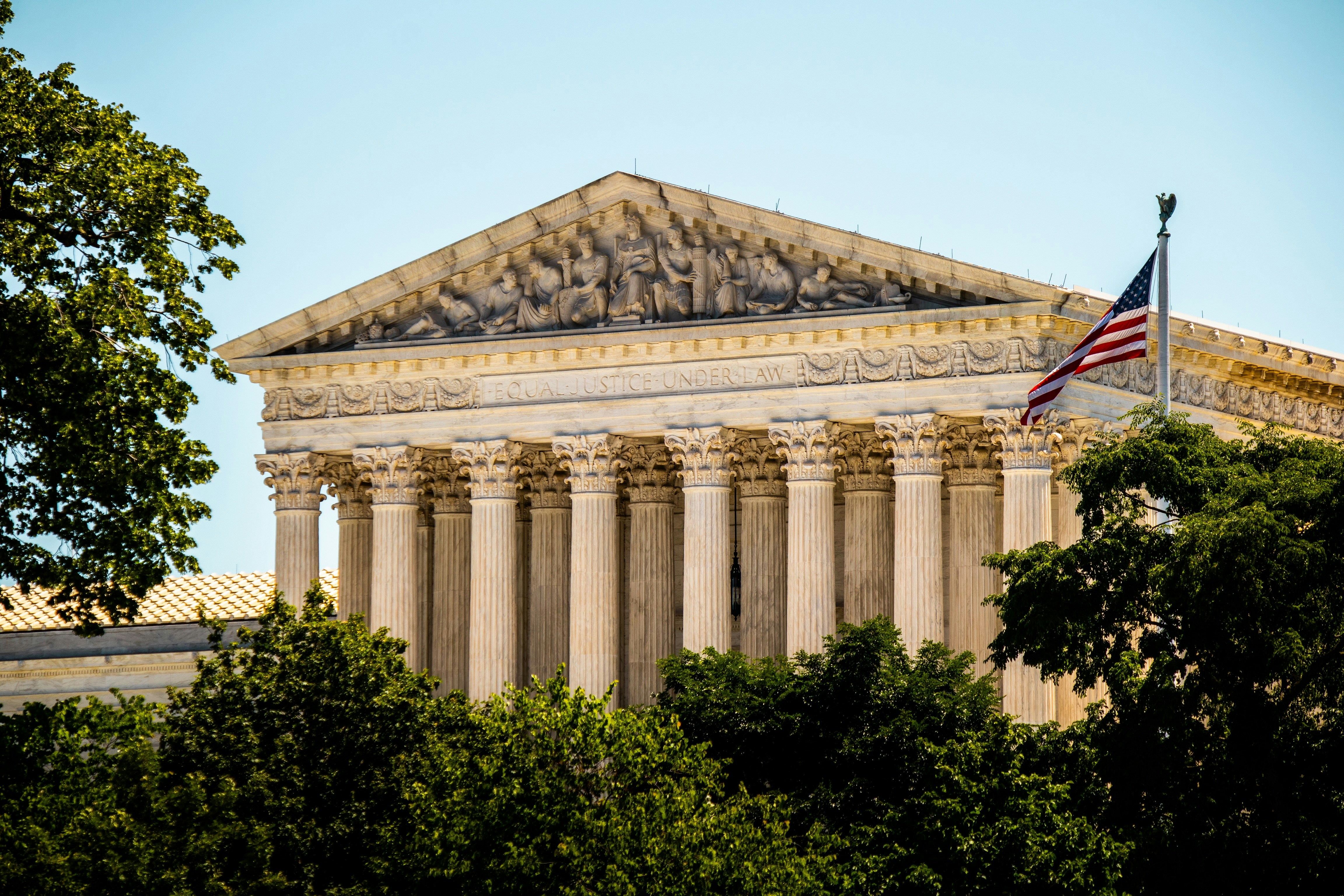
The wait is nearly over. Tomorrow morning at 10am EST, the Supreme Court is scheduled to release opinions in V.O.S. Selections, Inc. v. United States and Learning Resources, Inc. v. Donald Trump, and all eyes are on the fate of the administration's global tariffs. While we can’t predict the bench, the consensus is leaning toward a strike-down: arguments on November 5 suggested the Court is highly skeptical that IEEPA (International Emergency Economic Powers Act of 1977) grants the President authority to impose many of the duty provisions enacted throughout 2025.
If the Court rejects the tariffs, the focus immediately shifts into nuance.
Should the tariffs fall, we anticipate a refund process modeled after existing mechanisms like Post-Summary Corrections (PSC), and Protests (CF-19). To get your money back, the burden of proof will be on you. You’ll likely need to submit formal claims backed by meticulous records.
CBP Form 7501: The Entry Summary showing exactly how much duty you paid.
Commercial Invoices: To prove the value and classification of the goods.
Bills of Lading / Air Waybills: Documentation of the movement and origin of the merchandise.
Proof of Payment: Bank records or receipts confirming the duties were actually remitted to CBP.
Inventory Records: Internal tracking that links the imported goods to your specific entries.
Don't mistake a SCOTUS loss for a trade policy retreat. Treasury Secretary Scott Bessent has already signaled that the administration can, and will, recreate the current tariff structure using other legal authorities.
If IEEPA is struck down, expect the administration to pivot immediately to:
Section 232 (Trade Expansion Act of 1962): National security justifications.
Section 301 (Trade Act of 1974): Addressing "unreasonable" trade practices.
Section 122 (Trade Act of 1974): Temporary surcharges for balance-of-payment surpluses.
The legal basis may change tomorrow, but the tariff environment isn't going anywhere. Keep your records tight and your strategy flexible.